
Synopsis
Pouch cell lithium-ion batteries are quickly becoming the format of choice for high-performance Electric Vehicles (EVs) and flexible energy storage solutions, prized for their superior energy density and packaging efficiency. However, their flexible nature demands ultra-high precision in the assembly and welding process. This blog provides an essential guide to the specialized machinery that brings these sensitive cells to life, focusing on the sophisticated equipment for lithium cell assembly. We will detail the specific pouch lithium ion cells equipment production systems required for critical tasks like tab welding and sealing, and how these integrate into a comprehensive lithium ion battery production line. A major focus will be on the vital role of the automated lithium ion battery assembly machine in ensuring consistency and minimizing the margin for error during delicate pack construction. Furthermore, we examine the integrated systems, including essential lithium ion battery testing equipment, that form a reliable lithium ion battery pack assembly line. Understanding the entire ecosystem of pouch cell assembly equipment is key for manufacturers looking to achieve world-class quality and performance in this competitive and safety-critical sector.
Table of Contents
-
The Rise of the Pouch Cell Format
-
Pouch Lithium Ion Cells Equipment Production
-
Precision Laser Beam Micromachining for All Materials
-
Equipment for Lithium Cell Assembly: Stacking and Sealing
-
The Automated Lithium Ion Battery Assembly Machine
-
Provided After-Sales Support & Services
-
Integrating into the Battery Pack Assembly Line
-
Quality and Safety: The Role of Testing Equipment
-
Future-Proofing the Lithium Ion Battery Production Line
-
Dynotech’s Expertise in Advanced Cell Assembly
-
Partnering for High-Performance Energy Solutions
The Rise of the Pouch Cell Format
Pouch cells, characterized by their flexible, foil-like enclosure and light weight, offer a compelling advantage in high-energy-density applications, particularly where space optimization is critical, such as in EVs and consumer electronics. The downside, however, is that their delicate structure requires the highest level of mechanical and thermal precision during assembly. Unlike rigid cylindrical or prismatic cells, pouch cells are susceptible to damage from excessive force or heat, making the integrity of every seam and weld paramount. This necessity for ultra-precise handling and joining drives the need for highly specialized and automated machinery across the entire assembly process.
Pouch Lithium Ion Cells Equipment Production
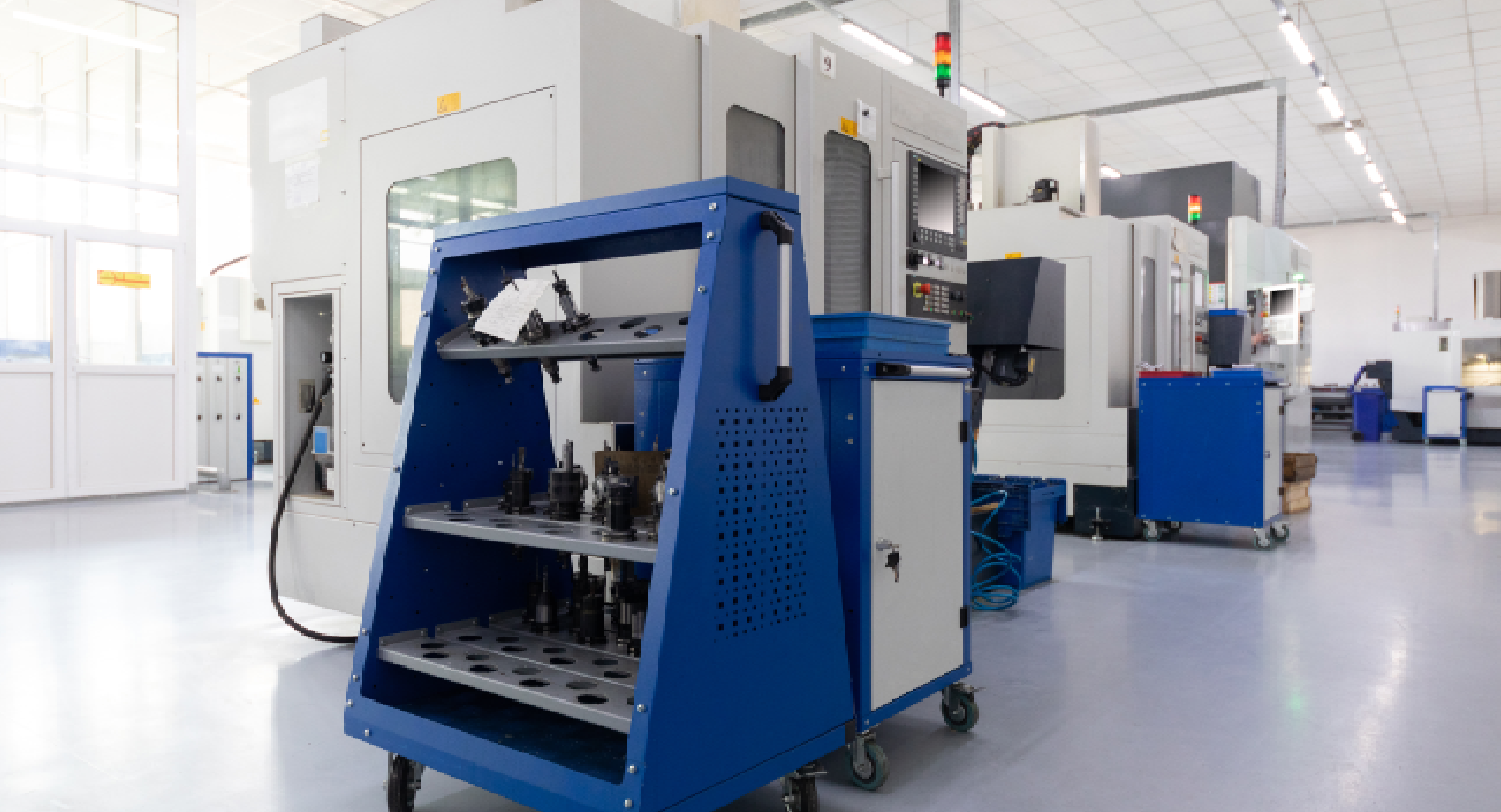
Bringing pouch cells from stacked electrodes to a sealed unit requires a series of highly synchronized, precise machines, collectively known as pouch lithium ion cells equipment production. This phase begins after the electrode sheets are prepared, involving precise stacking or Z-folding machines that align the anodes and cathodes with near-perfect accuracy. Crucially, the final step involves heat sealing the edges of the aluminum-plastic composite foil, a process that must be absolutely hermetic to prevent moisture ingress, which would rapidly degrade the cell’s performance and safety. Every machine in this sequence must maintain tight control over position, temperature, and pressure.
Precision Laser Beam Micromachining for All Materials
The tab connection in pouch cells—often aluminum or copper—demands extreme precision for optimal electrical contact. Dynotech’s expertise in precision laser micromachining is vital for pre-processing and creating high-quality, complex tabs or interconnection points with minimal Heat Affected Zone (HAZ). This high-precision technique ensures clean edges and perfect geometry, which are prerequisites for a flawless weld. This capability ensures that the equipment for lithium cell assembly has the best possible components before they enter the final welding stage.
Equipment for Lithium Cell Assembly: Stacking and Sealing
The initial stages of assembly, covered by specialized equipment for lithium cell assembly, focus heavily on precision alignment and the creation of a secure environment. After the core electrode stack is created, the tabs must be precisely positioned for external welding, followed by the initial sealing of the pouch perimeter. This process often takes place in a dry room environment to prevent exposure to moisture. The machinery responsible for the subsequent electrolyte filling and final vacuum sealing must be exceptionally clean and reliable, as the integrity of the cell’s internal chemistry depends entirely on the perfection of the sealing process executed by this core pouch cell assembly equipment.
The Automated Lithium Ion Battery Assembly Machine
Once individual cells are manufactured, they must be organized and joined into modules and packs on the automated lithium ion battery assembly machine. This machine utilizes advanced robotic systems and non-contact joining techniques, primarily laser welding, to connect the cell tabs to the busbars. The complex geometries and thin nature of the tabs require ultra-high-speed, controlled laser pulses that fuse the metal without damaging the cell body or overheating the internal components. This automation ensures perfect repeatability, which is the single most critical factor in guaranteeing a consistent and reliable current path throughout the entire lithium ion battery pack assembly line.
Provided After-Sales Support & Services
The complexity and high capital cost of pouch cell assembly equipment necessitate reliable, responsive service support. Dynotech provides extensive after-sales support and services for every lithium ion battery assembly machine we supply. This includes preventative maintenance programs, rapid diagnostic capabilities, and specialized spare parts availability. Our commitment to service ensures maximum machine uptime and protects the client’s investment in the full lithium ion battery production line, allowing manufacturers to maintain high-volume output without fear of prolonged technical interruption.
Integrating into the Battery Pack Assembly Line
The pouch module integration is the final, high-value stage, encompassing the entire lithium ion battery pack assembly line. This line incorporates the laser-welded modules, the sophisticated Battery Management System (BMS), cooling plates, and the final protective housing. Automated guided vehicles (AGVs) often transport these heavy modules between workstations, while precision robotic arms place and secure the complex wiring harnesses and thermal interfaces. The overall goal of the lithium ion battery production line is to assemble all these disparate components into a unified, functional, and safety-certified pack structure, a process where automated laser welding is the most critical joining step.
Quality and Safety: The Role of Testing Equipment
Every module and final pack must undergo rigorous validation, making reliable lithium ion battery testing equipment indispensable. Integrated testing stations are placed throughout the lithium ion battery pack assembly line to perform electrical tests, leak detection, and thermal stress checks. These tests verify the quality of the welds, the integrity of the seals, and the functionality of the BMS under simulated operating conditions. The data generated by this lithium ion battery testing equipment provides essential quality assurance documentation, ensuring that the entire pouch cell assembly equipment investment yields safe and high-performance products ready for the end-user.
Future-Proofing the Lithium Ion Battery Production Line
As battery technology continues to evolve, the lithium ion battery production line must be designed with maximum flexibility and modularity. The next generation of pouch cell assembly equipment needs to easily adapt to changes in cell size, tab configuration, and chemistry with minimal retooling. This future-proofing requires machines that are software-driven, with quick-change tooling that can handle variations in the equipment for lithium cell assembly without demanding lengthy shutdowns, ensuring manufacturers remain competitive in the rapidly changing energy storage market.
Dynotech’s Expertise in Advanced Cell Assembly
Dynotech Instruments Pvt. Ltd. is a strategic partner to the Indian EV and energy storage sectors, providing world-class pouch cell assembly equipment and expertise. We supply highly specialized machinery, including high-precision laser welding and advanced assembly systems, that are essential components of any modern lithium ion battery production line.
Partnering for High-Performance Energy Solutions
Our commitment is to empower manufacturers with reliable lithium ion battery assembly machine solutions, backed by expert support for the complex equipment for lithium cell assembly. Dynotech ensures that local companies can achieve superior quality and traceability, essential for safe and successful participation in the high-stakes global battery manufacturing industry.
FAQs
What specialized equipment is required for pouch lithium ion cells equipment production and assembly?
pouch lithium ion cells equipment production requires highly specialized machinery focused on precision and hermetic sealing. Key systems include high-accuracy stacking or winding machines for electrode alignment, heat-sealing machines to create the initial pouch structure, electrolyte filling equipment, and final vacuum sealing systems. Most critically, the process requires high-speed, non-contact laser welding systems to join the delicate copper and aluminum tabs to the busbars. This highly automated equipment for lithium cell assembly ensures the structural and chemical integrity of the flexible cell format.
How does the automated lithium ion battery assembly machine ensure consistency and safety in battery pack construction?
The automated lithium ion battery assembly machine ensures consistency by utilizing high-precision robotics and vision systems to execute tasks with perfect repeatability, eliminating human error in component placement and alignment. For safety, these machines use high-speed laser welding, which minimizes the Heat Affected Zone (HAZ), preventing thermal damage to the sensitive cell components. Furthermore, the machine is integrated into the larger lithium ion battery pack assembly line with sensors that monitor critical parameters, guaranteeing that every weld and connection point meets stringent quality standards before final pack integration.
What role does lithium ion battery testing equipment play within the automated production line?
lithium ion battery testing equipment is integrated throughout the automated lithium ion battery production line to perform critical quality checkpoints. Initial testing verifies cell capacity and open-circuit voltage after formation. Later, specialized equipment performs leak detection after sealing and end-of-line functional tests on the finished pack, including performance validation and BMS communication checks. This continuous testing validates the output of the pouch cell assembly equipment and provides essential quality data, ensuring that only safe, high-performing products advance to the next assembly stage.
Why is the choice of pouch cell assembly equipment more critical than for other cell formats?
The choice of pouch cell assembly equipment is more critical than for prismatic or cylindrical cells because the pouch format is inherently more vulnerable to physical damage and moisture ingress. The flexible aluminum-plastic composite housing requires perfect, non-stressed joining during sealing, and the thin electrode tabs are highly susceptible to thermal damage during welding. Therefore, the machinery, including the lithium ion battery assembly machine and all equipment for lithium cell assembly, must operate with superior control over force, temperature, and environment to ensure the long-term safety and performance integrity of the final cell.
What are the key stages of the lithium ion battery pack assembly line where automated equipment is indispensable?
Automated equipment is indispensable at several key stages of the lithium ion battery pack assembly line. This includes the automated cell-to-module interconnection stage, primarily utilizing laser welding systems to join tabs to busbars with high repeatability. It also includes the integration of the Battery Management System (BMS) wiring harnesses, the placement of thermal management components (cooling plates), and the final securing of the module within the pack housing. These steps, enabled by advanced automation, are essential for achieving the speed and precision required for a high-volume lithium ion battery production line.